
An entryway takes more abuse than most rooms. Wet boots, gritty shoes, melting snow, and repeated foot traffic can wear down finishes and leave dirt tracked through the house. The right floor should handle moisture, resist scratches, and clean up without special effort. Tile, luxury vinyl, and a few other materials can work well, but each has trade-offs in comfort, installation, and upkeep. Compare those details before choosing a floor for your home.
Porcelain and Ceramic Tile
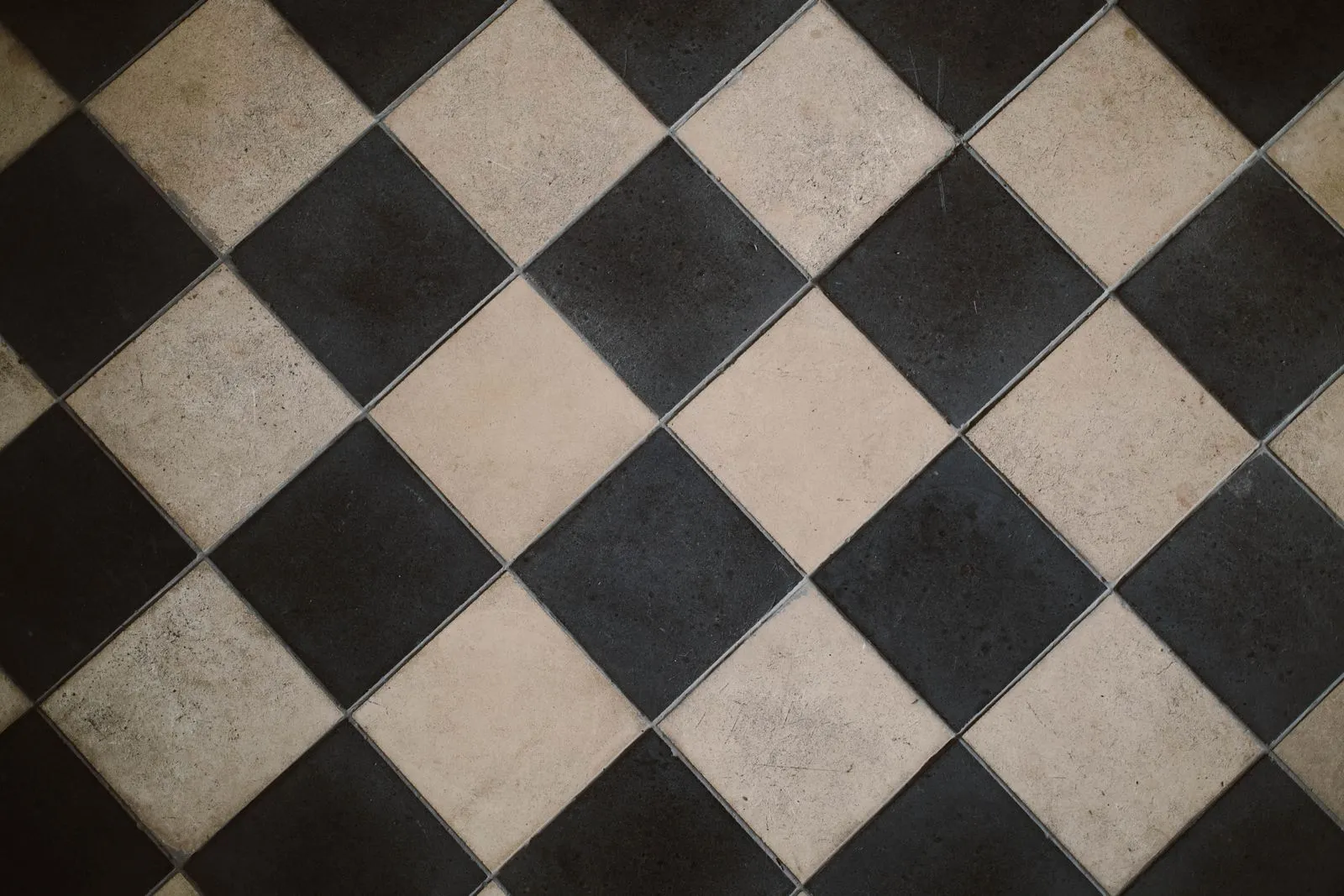
Porcelain and ceramic tile are strong choices for entryways where water and tracked-in dirt are common. Their hard surfaces are easy to sweep and mop, and many options resist moisture well. Porcelain is generally denser than ceramic, which can make it a practical pick for a heavily used entrance. Check the product’s slip-resistance information, especially if the floor will often be wet from rain or snow.
Tile can feel cold and hard underfoot, and grout lines need attention. Choose a grout color that won’t show every bit of dirt, and seal the grout if the product instructions call for it. A textured surface can offer more traction, but deep texture may take extra scrubbing. Use entry mats to collect grit and moisture before they reach the tile.
Luxury Vinyl Flooring
Luxury vinyl plank and tile offer a softer, warmer feel than ceramic or porcelain while providing a surface that is straightforward to clean. Many products are designed to resist water, scratches, and stains, but performance varies by product and installation method. Confirm whether the specific floor is waterproof or only water-resistant, and follow its care and installation instructions.
Vinyl can be a good fit when you want the look of wood or stone without using those materials in a high-splash area. Sand and grit can still scratch the wear layer, so sweep regularly and place protective mats near the door. Avoid harsh cleaners unless the manufacturer approves them; some products require only a damp mop and a mild cleaner.
Other Options to Consider
Natural stone can bring a distinctive look and stand up to heavy use, but it may need periodic sealing and can be more demanding to maintain. Its surface texture, porosity, and care needs depend on the stone. Ask how the material handles moisture and what routine treatment it requires before using it at an exterior entrance.
Engineered wood may suit a connected hallway where you want a consistent look, but standing water and repeated wet-boot exposure can damage some products. If you prefer wood, check the manufacturer’s moisture guidance and keep a washable mat at the door. Solid hardwood is usually a less forgiving choice for an entry that regularly gets wet or gritty.
Choose for Your Household
Start by considering how much water and debris your entrance collects. A sheltered doorway may need less moisture protection than a busy exterior door exposed to snow and rain. Also think about who uses the space, whether anyone needs extra traction, and how much time you want to spend cleaning. Bring home samples and view them in the entryway’s natural light.
Plan for dirt control as well as flooring. Use an outdoor mat to scrape off grit and an indoor mat to absorb moisture; make sure both lie flat and don’t create a trip hazard. Sweep or vacuum often, wipe up wet spots promptly, and use furniture pads or floor-safe protectors where needed. These habits help preserve the finish whatever material you choose.
For a wet, high-traffic entry, tile and quality luxury vinyl are practical starting points; stone and wood require closer attention to care and moisture. Compare product specifications, surface traction, and cleaning instructions before deciding. Wasatch Floor Co. can help you review flooring options for your Salt Lake City entryway.